Planning a Corporate Wellness Event:
A Step-by-Step Guide for HR Leaders
When done well, corporate wellness events are one of the most effective tools HR teams have for bringing wellness benefits to life. They give employees a tangible, engaging way to connect with the resources you’ve invested in, while creating moments that support culture, connection, and well-being.
But without a clear plan, it’s easy to get stuck in logistics and end up with an event that yields low engagement or unclear results.
With over 30 years of experience in the wellness space, our team at HUSK has learned that the most effective events are the ones that are intentional, engaging, and aligned with your goals. Which is why we put together this step-by-step guide to help you plan a corporate wellness event that not only drives participation, but truly gets your team excited about wellness.
Step 1: Start with Goals (Not Logistics)
While it’s easy to get caught up in the details like the who, what, and when, the most successful wellness events are built backward from a specific outcome. Are you trying to increase benefits enrollment? Drive clinical activation? Or simply improve morale and culture?
Your goal shapes everything else that follows: who you invite, which vendors you choose, and how you measure success. Ask yourself:
- Who is the primary audience? All employees, specific departments, or targeted populations?
- What will success look like after the event?
- What’s the budget, and how does it map to your goals?
Step 2: Know Your Workforce
Before you plan anything, survey your employees. A few simple questions can tell you a lot:
- What wellness topics matter most to them?
- Would they attend an in-person event, a virtual one, or both?
- What time of day works for their schedules?
- What past wellness initiatives have they enjoyed?
In today’s hybrid work environment, don’t forget your remote population. They also deserve an experience that was designed with them in mind from the start, not a watered-down version of what’s happening in the office. Keep their answers in mind as you head into vendor selection because it will shape who you bring on board and how.
Step 3: Build a Vendor Lineup That Works for Everyone
Once you know your goals and your audience, it’s time to define your programming and partners.
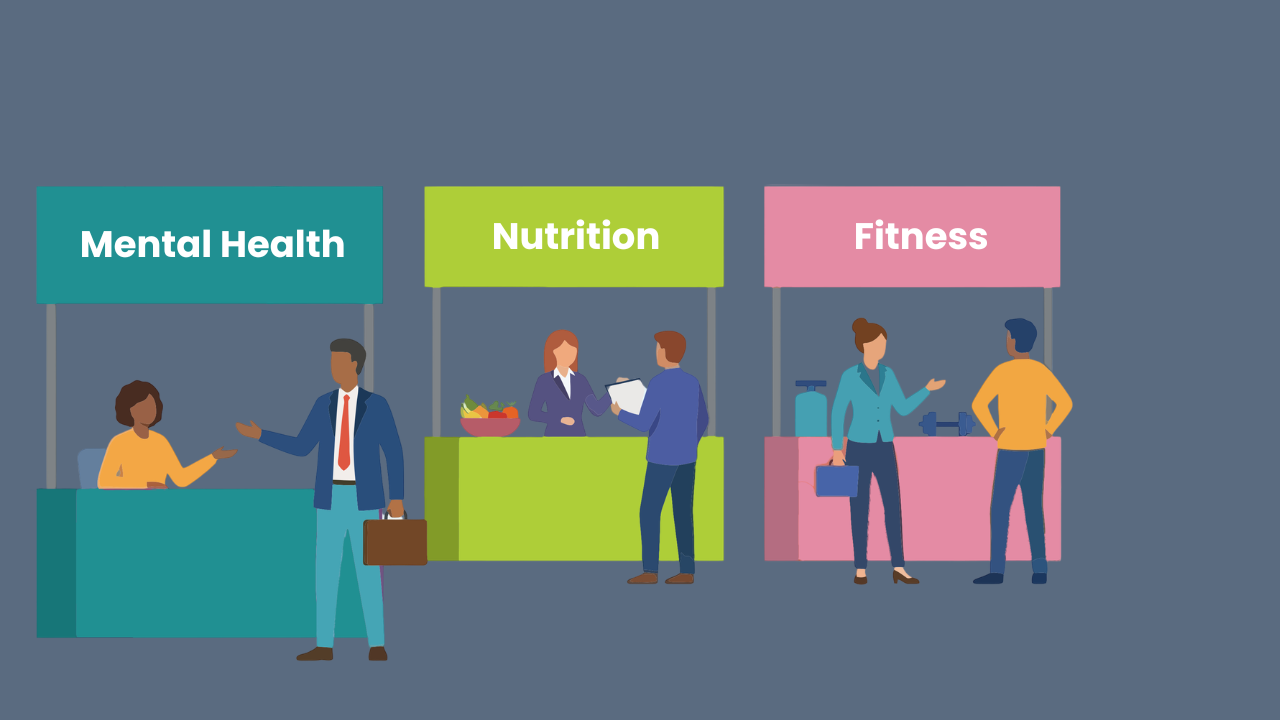
Think in categories: nutrition, mental health, physical fitness, and preventive care. You don’t need to cover all of them (it’s better to go deep on a few than to scatter across too many). But whatever you choose, prioritize vendors who can serve both in-person and virtual attendees without a drop in quality.
For example, HUSK Nutrition+ events are designed to work both on-site and virtually. You can pair a live cooking demo for your in-office team with a virtual version (recipe card included) for employees joining from home, so no one’s experience feels like an afterthought.
Step 4: Design the Experience
Once your vendor lineup is set, it’s time to design the employee experience. Pull out the workforce survey results you gathered earlier and look at the differences between your populations: what your in-office team wants might look very different from what your remote team needs, and your design should reflect that.
- For in-person: Think about flow and energy. What does an employee experience from the moment they walk into the event space? Build in moments that feel fun and social. Interactive stations tend to outperform passive booths.
- For virtual: Engagement is harder to sustain on a screen, so design accordingly. Live sessions beat pre-recorded content. And don’t forget to give employees something to do, like a recipe to follow along with or an activity to complete.
HUSK+ Wellness Weeks can serve as a strong anchor for hybrid events like this, offering structured programming across nutrition, fitness, and mindfulness that works virtually and complements in-person activations.
Step 5: Promote, Promote, Promote!
Start building awareness two to four weeks out. Use every internal channel available: Slack or Teams, email, manager talking points, or digital signage if you have it. Tease specific sessions to build anticipation and create a simple one-page event overview employees can reference.
A few things that consistently drive attendance:
- Manager involvement. When a direct manager mentions it in a team meeting, employees show up. Equip managers with a two-sentence script to keep messaging consistent.
- Incentives tied to participation. If you offer wellness rewards or incentives, tie in event attendance or session completion. People respond to recognition.
- A clear “here’s what’s in it for you” message. Promote the experience. What will employees learn? What will they walk away with?
Step 6: Execute on the Day
Day-of execution is mostly about communication and contingency planning.
- For in-person wellness events: Assign clear roles. Who greets employees? Who manages vendor setup? Who handles issues? If possible, walk the space the day before.
- For virtual wellness events: Test platform, audio, screen share, and breakout rooms at least 24 hours before the event. Have a backup plan for tech issues, and designate someone to monitor chat and surface questions in real time.
Step 7: Follow Up and Measure
Within a week, send a short post-event survey. Capture feedback while it’s fresh:
- What did employees find most valuable?
- What would they change?
- Would they attend another event?
Compare participation and outcomes against your original goals. If you aimed to drive clinical sign-ups and didn’t see movement, identify what was missing. If engagement was high, understand what drove it.
More importantly: how do you keep the momentum going?
Use your wellness event as a way to create entry points. What was engaged with most? If your employees connected with nutrition content at your event, look for on-demand programming you can hold throughout the year to keep them engaged. If employees tried a fitness class at your event, does your wellness ecosystem support movement when they head home with virtual classes or gym memberships?
Bring Your Wellness Event to Life
Planning a wellness event doesn’t have to start from scratch.
Download our free Wellness Event Planning Guide, a step-by-step workbook with checklists, timelines, communication templates, and a vendor evaluation framework built for HR teams.
If you’re exploring wellness programming that works for your entire workforce—whether in the office, at home, or anywhere in between—HUSK+ offers expert-led, on-site and virtual events designed to keep your team engaged year-round.
The 7 Steps to a Successful Wellness Event
- Start with Goals (Not Logistics) — Define what success looks like before you decide on the details.
- Know Your Workforce — Survey employees to understand what they want and how they’d like to participate.
- Build a Vendor Lineup That Works for Everyone — Choose a few focus areas and partners who can deliver both in-person and virtual experiences.
- Design the Experience — Tailor in-person and virtual programming to what each population actually wants.
- Promote, Promote, Promote — Build awareness two to four weeks out across every internal channel.
- Execute on the Day — Assign clear roles and test everything ahead of time.
- Follow Up and Measure — Survey employees, compare results to your goals, and use the event to drive ongoing engagement.
Planning a Wellness Event: Frequently Asked Questions
How far in advance should you start promoting a corporate wellness event?
Begin building awareness two to four weeks before the event. This gives you enough time to tease sessions, get managers talking about it, and build momentum without losing it to other announcements.
How do you measure the success of a corporate wellness event?
Success should be measured against the goal you set at the planning stage, whether that’s an increase in benefits enrollment, more clinical program sign-ups, or stronger engagement. You can measure these results via a post-event survey or participation data.
What's the difference between planning an in-person vs. a virtual wellness event?
In-person events focus on flow, energy, and creating interactive moments, while virtual events need to combat screen fatigue with live sessions and hands-on activities that employees can follow along with.
What should be included in a corporate wellness event?
Focus on a few core categories: nutrition, mental health, physical fitness, and preventive care. Going deeper on two or three areas will drive more engagement than spreading too thin across all of them.